 KOR
KOR ENG
ENG








Home / Product / Detail page
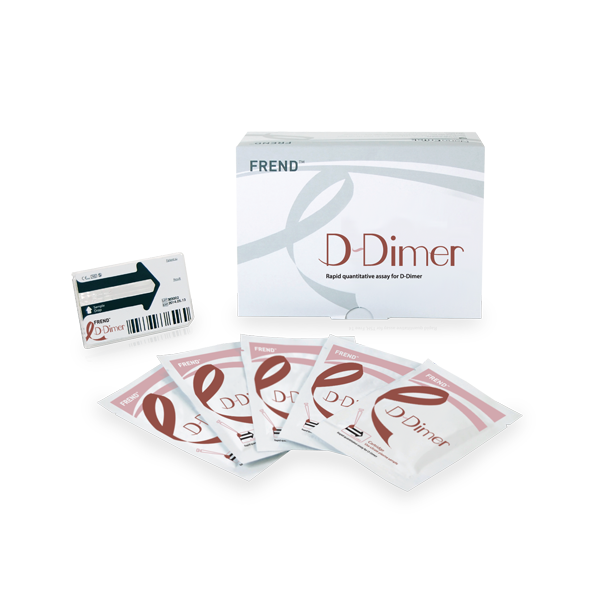

Quantitative test for D-Dimer
- Quantitative result of D-Dimer within 3 minutes
- Fast and accurate test result
- To diagnose DVT(Deep Vein Thrombosis) or PE(Pulmonary Embolism)
- Point-Of-Care Testing which allows for better immediate clinical management decisions
In-vitro Quantitative Measurement of D-Dimer
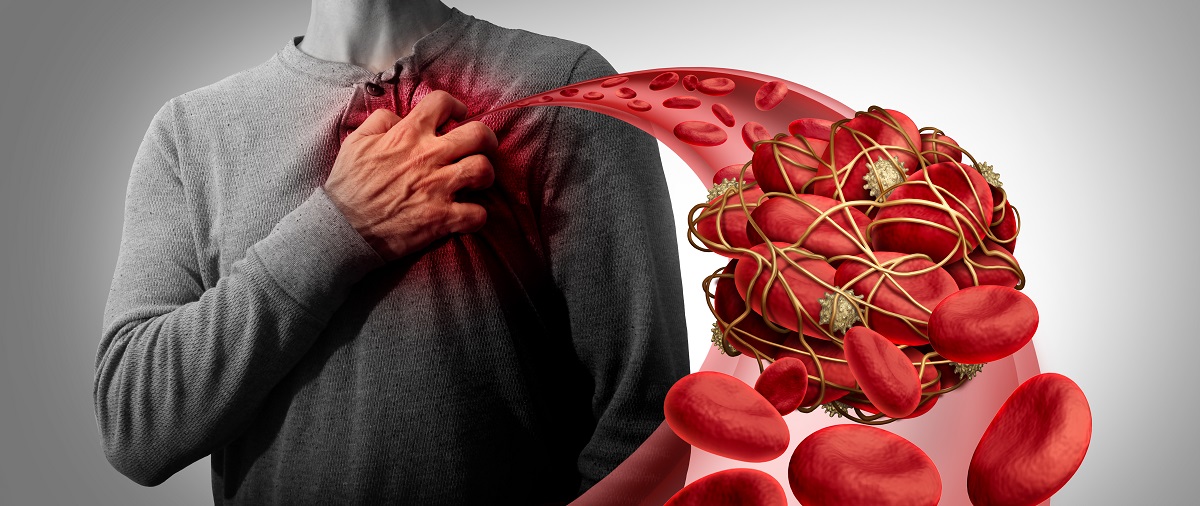
Accurate Quantitative Result in 3 minutes!
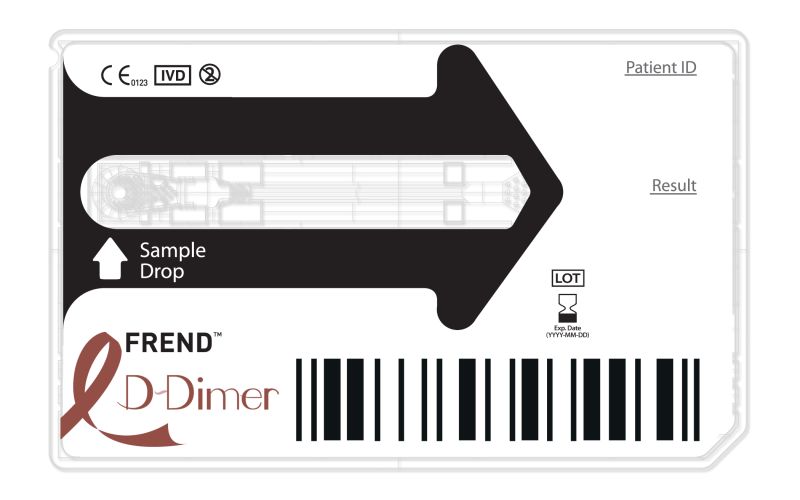
With 35μL of sample, you can get a quantitative result of D-Dimer in 3 minutes conveniently and immediately to the patient.
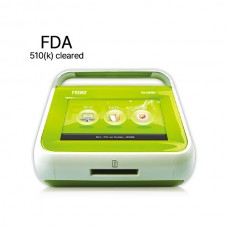
The FREND D-Dimer is designed for use with the FREND System. The FREND System uses microfluidic and immunofluorescence technology. With a simple 3 step operation and a wide range of disease markers, it supports quick decision-making.

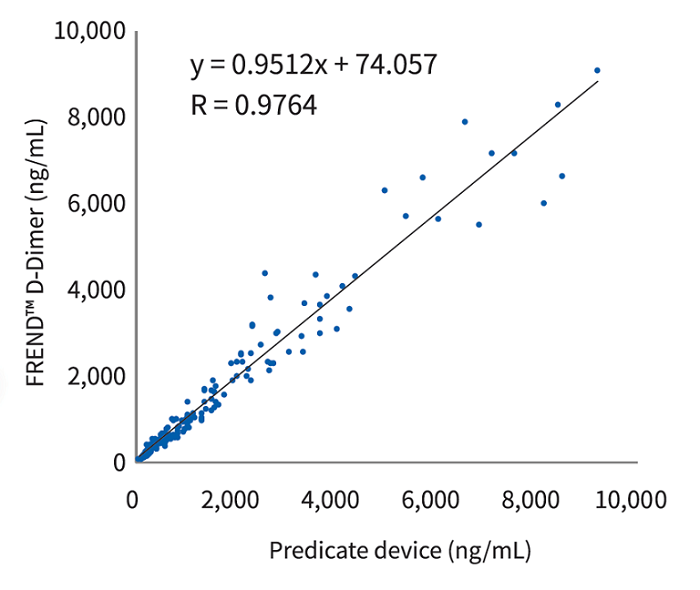
Accuracy and Precision
The FREND D-Dimer shows a high correlation compared to a predicate device and provides accurate results.
-
Cat. No.
FRDD 025
-
AMR
50–10,000 ng/mL FEU
-
Specimen
Citrate–Plasma
-
Volume
35 μL
-
Time to result
Cartridge reaction : < 3 min
-
Package
25 tests
-
Storage temperature
2–8 °C
-
Expiration date
12 month
Related downloads Total 2
-
FREND_D-Dimer_IFU_NanoEntek

-
FREND_Brochure_NanoEntek


ExTransfection™ Protocol Library
ExTransfection™ provides open protocols that make it easy for users to set up and run experiments. Its 24-well optimization method helps users to optimize transfection protocols easily and quickly.
ExTransfection™ also offers a pre-programmed optimization protocol that helps an easy and quick optimization of electrical parameters for both adherent and suspended cells.