
 KOR
KOR ENG
ENG





Home / 응용분야 / 응용분야 전체


-
Robust FFPE Nuclei Quantification Using EVE™ HT FL
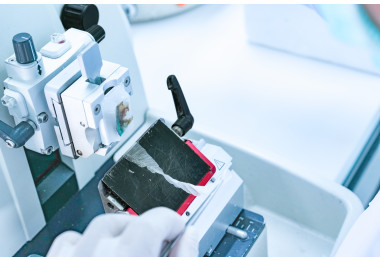
The global demand for formalin-fixed paraffin-embedded (FFPE) tissue analysis continues to expand. Driven by advancements in precision medicine, these specimens have become increasingly important for biomarker discovery and targeted therapy development. Recently, FFPE tissues have been successfully integrated into advanced genomic workflows, such as single-nucleus RNA sequencing (snRNA-seq). Prior to snRNA-seq, precise nuclear counting is required to maximize target discovery rates while minimizing doublets.To meet the growing global demand for formalin-fixed paraffin-embedded tissue analysis, the EVE HT FL offers a dedicated FFPE mode. 1. Materials• Mouse FFPE tissue sample• Human FFPE tissue sample• Xylene• Ethanol (100%)• Nuclease Free Water• PBS• Collagenase I & II (Roche, 5401135001)• Proteinase K (Roche, 311586001)• Mortar and pestle• Cell strainer (porosity 30μm)• Quenching buffer (10xGenomics, 1000414)Staining dye & Instrument• AO/DAPI with EVE™ HT FL• YOYO-1 with EVE™ HT FL• PI (N solution) with ADAM™ MC22. MethodsDeparaffinization and Rehydration of FFPE tissues1. Wash twice in xylene for 10 min each.2. Wash twice in 100% ethanol for 5 min each.3. Wash once in 70% ethanol for 3 min.4. Wash once in 50% ethanol for 3 min.5. Wash once in nuclease-free water for 3 min.6. Wash once in cold PBS for 5 min.Tissue Dissociation and Nuclei isolation*1. Suspend deparaffinized and rehydrated tissues in an enzyme solution like collagenase. Optionally, one can use proteinase K for hard-to-dissociate tissues.2. Mechanically dissociate tissues in enzyme solution using a pestle.3. Pass everything through a 30 μm filter.4. Centrifuge at 700 RCF for 5 min.5. Resuspend pellet in 1x quenching buffer.6. Centrifuge at 700 RCF for 5 min.7. Resuspend pellet in PBS.8. Run cell counting.* Nuclei isolation protocol can vary depending on tissue types and institutions. Users are expected to use a protocol that produces nuclei with little clumps or debris.3. ResultsWe first tried to stain nuclei isolated from FFPE tissues (Mouse) with EVE HT FL reagent (AO/DAPI). While mammalian cells stained with EVE HT FL reagents were bright in both AO and DAPI channels, FFPE nuclei stained with EVE HT FL reagents were very dim in both fluorescence channels. After increasing exposure time significantly, we were able to make them bright, and we found that nuclei were bright enough to be counted with EVE HT FL. When we looked at images closely, we found that AO stained not only nuclei but also debris that did not look like cell nuclei. However, DAPI seemed to stain almost all nuclei, and EVE HT FL software could count nuclei with various shapes including elongated ones as shown in the example below. 4. Adding a new FFPE modeBecause AO has high probability to stain not only nuclei but also some of cell debris, counting based on AO images could be misleading. On the other hand, DAPI was found to have little tendency to stain non-nucleus debris. Therefore, we developed a new FFPE mode in which only brightfield and DAPI channels will be taken, and nuclei counts will be measured solely from DAPI.5. Comparison with other staining methodsNanoEntek’s single slide fluorescence cell counter, ADAM-MC2 uses PI (propidium iodide) to count nucleated cells. Because PI is known to be nuclei-specific, we compared PI and DAPI with nuclei isolated from FFPE tissues. In addition to them, we have also tried YOYO-1. We have tested these 3 dyes with various FFPE tissues. All the results suggest that DAPI on EVE HT FL and PI on ADAM-MC2 gave very similar nuclei counts. 5. NanoEntek's products for cell countingAs demonstrated, fluorescence-based nuclear staining delivers exceptional accuracy and reliability. NanoEntek offers a comprehensive portfolio of automated fluorescence cell counters tailored for diverse research and biomanufacturing needs.ADAM™ MC2 / MC Plus series utilizes nucleus-specific PI staining for precise total cell and viability measurements, while the ADAMII™ LS / CDx series enables surface marker-based (CD marker) cell identification and absolute counting. Furthermore, the high-throughput EVE™ HT FL processes up to 48 samples in just 3 minutes, ideal for FFPE single-nucleus analysis and primary cell quantification. Together, these systems provide an indispensable solution delivering unparalleled precision, speed, and efficiency.
-
Cultured Meat: Sustainable Innovation & Role of High-throughput Automated Cell Counter
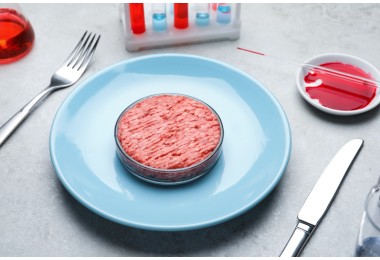
With advancements in biotechnology and a growing concern for the environmental impact of traditional animal farming, cultured meat has emerged as a promising solution that could revolutionize the way we produce and consume protein. Cultured meat is produced by culturing animal cells in a controlled environment, without the need for raising and slaughtering animals. NanoEntek’s high-throughput automated cell counters, EVE™ HT and EVE™ HT FL, can accelerate the production of cultured meat. NanoEntek’s high-throughput automated cell counters, EVE™ HT and EVE™ HT FL, can accelerate the production of cultured meat 1. What is Cultured Meat? Cultured meat, also known as lab-grown or cultivated meat, is produced by culturing animal cells to create meat products without the need for traditional livestock farming and slaughtering. This innovative approach involves isolating stem cells from animals such as cows or chickens and providing them with the necessary nutrients and environmental conditions to proliferate and differentiate into muscle, fat, and connective tissue cells. The resulting product closely resembles conventionally produced meat but offers significant advantages in terms of environmental sustainability, animal welfare, and potential health benefits. 2. Emerging Necessity of Cultured Meat (1) Continuous Growth of World’s population As of January 25, 2024, the global population has surpassed 8 billion and is projected to reach nearly 9 billion by 2050, according to real-time statistics from Worldometers. This population growth, coupled with shifting dietary habits towards increased meat consumption, especially in emerging economies, exacerbates ethical and environmental concerns associated with traditional meat production. (2) Growing demand for Meat Global meat production has surged from 70.57 million tons in 1961 to 337.18 million tons in 2020, driven by population growth and economic development. The Food and Agriculture Organization of the United Nations predicts that meat demand will double by 2050. Livestock farming is a major contributor to greenhouse gas emissions, accounting for 14.5% of global emissions, with cattle farming being the largest emitter due to methane release. 3. Benefit of Cultured Meat Cultured meat offers a sustainable solution to the environmental and ethical challenges posed by conventional meat production. With up to 92% lower greenhouse gas emissions, 90% less land use, 98% less soil acidification, and 94% less air pollution compared to conventional beef, cultured meat addresses key sustainability issues. Additionally, its production is not limited by geographical constraints, enhancing food security and production efficiency while reducing the risk of zoonotic diseases and antimicrobial resistance.4. How are cultured meat made? Cultivated meat production embodies the principles of biomimicry, a discipline that draws inspiration from natural processes to develop innovative technologies. In the context of cellular agriculture this entails replicating the inherent cellular growth mechanisms found in animals outside of their living organisms. The manufacturing process starts by isolating and banking stem cells from an animal, which can self-renew and differentiate. These cells are then cultivated in bioreactors, often referred to as cultivators, in large quantities. These cells are nourished with a nutrient-rich medium containing amino acids, glucose, vitamins, salts, and growth factors to stimulating the conditions inside the animal’s body.By adjusting the composition of the medium and providing cues from a scaffolding structure, the immature cells are prompted to develop into various tissues like skeletal muscle, fat, and connective tissues, which are the components of meat. Once the cells have differentiated, they are harvested, processed, and packaged into final products. This entire process typically takes between 2 to 8 weeks, depending on the type of meat being cultivated. 5. The Role of High-throughput Automated Cell Counter(1) NanoEntek’s EVE™ HT Series: Transforming Bioprocess Efficiency with Superior Throughput, Minimal Sample Requirements, and Swift Measurement Times The starting cell type ultimately influences many of the downstream variables of the bioprocess, including timelines and differentiation strategies. Accurate measurement of cell density during the initial seeding process is pivotal. A slight error in the seeding density can profoundly affect subsequent processes. Additionally, in bioreactors, it is necessary to culture a large number of cells rapidly. Therefore, periodic sampling and analyzing a substantial quantity of samples is essential in bioprocessing.From this perspective, NanoEntek’s high-throughput automated cell counters, EVE™ HT and EVE™ HT FL, have an edge over other conventional high-throughput cell counters in terms of throughput, required sample volume, and measurement speed.♦ Throughput Conventional high-throughput automated cell counters have the capacity of measuring only up to 24 samples maximum. However, EVE™ HT and EVE™ HT FL is capable of measuring up to 48 samples per each test, enhancing the productivity of the R&D and manufacturing process. Researchers and operator could as a result, easily and quickly find the optimal condition in extensive experiment with different combination of parameters. NanoEntek's EVE™ HT FL Multichannel counting plate: Up to 48 fluorescence-stained samples to be loaded at once.♦ Required Sample Volume Whereas conventional high-throughput cell counters demand up to 500 µL of sample per test, EVE™ HT and EVE™ HT FL stand out by requiring only a minimal 20µL per test. This significant reduction not only showcases EVE™ HT and EVE™ HT FL’s exceptional efficiency but also underscores their ability to conserve valuable samples ♦ Measurement Time For a batch of 48 samples, the EVE™ HT series completes the measurement process in only 3 minutes. In comparison, other equipment can take up to around 210 minutes. This represents a staggering time efficiency gap of nearly 70-fold, firmly establishing the EVE series as a leader in time efficiency.EVE™ HT FL is much more faster and requires substantially low sample volume compared to competitors.Given these compelling advantages, NanoEntek’s EVE™ HT and EVE™ HT FL high-throughput automated cell counters offer high efficiency and accuracy for the initial bioprocess stages.(2) The Integral Role of EVE™ HT and EVE™ HT FL in Cultured Meat ManufacturingNanoEntek’s high-throughput automated cell counters, the EVE™ HT and EVE™ HT FL, are indispensable tools in the cultured meat production process, especially during the initial manufacturing stages. These devices are pivotal in monitoring and analyzing cell cultures, ensuring their health and viability throughout the production cycle.By automating cell counting, these counters streamline operations, saving time and reducing labor while minimizing the risk of human error. Furthermore, they furnish researchers with precise and dependable data on cell growth and proliferation.High-throughput automated cell counters are essential for assessing the quality and consistency of cultured meat products, ensuring that each batch meets the desired specifications. Additionally, these counters play an essential role in process optimization, enabling researchers to detect and rectify potential issues at the onset of the production cycle.EVE™ HT and EVE™ HT FL measure up to 48 samples per test using only 20µL of sample, completing a batch measurement of 48 samples in just 3 minutes.NanoEntek's high-throughput automated cell counters, EVE™ HT and EVE™ HT FLConclusionIn conclusion, cultured meat has the potential to revolutionize the food industry by offering a sustainable, ethical, and healthy alternative to traditional meat. NanoEntek's high-throughput automated cell counters, EVE™ HT and EVE™ HT FL, are instrumental in realizing this potential by providing researchers with the tools they need to produce cultured meat products that meet the highest standards of quality and consistency.Overall, the development of cultured meat represents a significant step forward in addressing some of the most pressing challenges facing the food industry today. By harnessing the power of technology and innovation, we have the opportunity to create a more sustainable, ethical, and healthy food system for future generations.
-
EVE™ HT: Efficient, Accurate, and High-Throughput Solutions for Stem Cell analysis
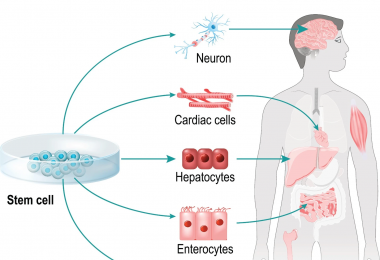
Summary Stem cell therapy involves using viable human stem cells to regenerate tissues and treat various diseases. It encompasses embryonic stem cells (ESCs), induced pluripotent stem cells (iPSCs), and adult stem cells. EVE™ HT uses trypan blue for quick and accurate viability evaluation in up to 48 samples within 3 minutes.Cell Therapy and its classificationCell therapy uses living cells to regenerate and restore damaged or diseased cells. It has applications in drug development, toxicology testing, and biomarker research. The three main types are tissue cell therapy, immune cell therapy, and stem cell therapy. The following content will primarily focus on stem cell therapy. The new treatment uses stem cell from various sources to regenerate cell or tissue types. What is Stem Cell therapy? Stem cell-based therapies are defined as any treatment for a disease or a medical condition that fundamentally involves the use of any type of viable human stem cells including embryonic stem cells (ESCs), iPSCs and adult stem cells for autologous and allogeneic therapies. Stem cells offer the perfect solution when there is a need for tissue and organ transplantation through their ability to differentiate into the specific cell types that are required for repair of diseased tissues. [1] Where Can I use Stem Cell therapy? Stem cells serve as the source for all cells, possessing undifferentiated characteristics, self-replication abilities, and the potential for differentiation. This differentiation function allows the treatment of damaged organs or tissues by promoting division and indefinite duplication. Stem cells are categorized into adult stem cells (AS cells), induced pluripotent stem cells (iPS cells), and embryonic stem cells (ES cells).Stem cell therapy, harnessing the capacity to differentiate and multiply into diverse cells, has been extensively studied and developed for various diseases, facilitated by technological advancements. Many developed countries offer policy support, recognizing it as a key component of the medical industry. Stem cells also serve as biomarkers to monitor post-treatment effectiveness and as cell treatments for incurable diseases.Through differentiation and proliferation, stem cells can be injected into patients to replace damaged cells, fostering tissue development in cell therapy. Additionally, stem cells play a role in enhancing the efficiency of new drug development by identifying candidates and assessing their efficacy. Stem cell therapy has shown effectiveness in treating a myriad of conditions, including burns, cardiovascular diseases, muscle diseases, vision impairment, and Alzheimer's disease. Additionally, stem cells hold promise for addressing challenging diseases such as spinal cord injuries, dementia, Crohn's disease, Parkinson's disease, Lou Gehrig's disease, and multiple sclerosis.Among various stem cell types, hematopoietic stem cells (HSCs) play a crucial role in producing red blood cells, white blood cells, platelets, and immune cells like T-lymphocytes and B-lymphocytes. Hematopoietic stem cell transplantation (HSCT) is a rapidly growing procedure worldwide, finding application in treating conditions such as aplastic anemia, acute leukemia, and solid cancers. EVE™ HT: Efficient, Accurate, and High-Throughput Solutions forWhen working with tissue-derived cells, particularly stem cells, accurate assessment of cell concentration and viability is essential for maintaining quality throughout subsequent procedures. A High Throughput Trypan Blue-Based Cell Counter, such as the EVE™ HT, is a valuable tool in the manufacturing process of stem cell therapy products, offering specific capabilities that contribute to the overall efficiency and quality control.EVE™ HT EVE™ HT is an automated cell counter that uses trypan blue for high-throughput measurements. In less than 3 minutes, it can accurately measure up to 48 samples, making it an efficient solution for busy laboratories or industries. The efficiency is maximized through the use of a disposable 48 channel plate.Here's a detailed explanation of how it can be utilized:Why is evaluating viability of cells important in Stem cell therapy?Therapeutic Efficacy: Ensuring PotencyThe therapeutic efficacy of stem cell therapies is directly linked to the potency of the administered cells. Only viable and functional stem cells have the potential to contribute to tissue regeneration or repair. Monitoring cell viability guarantees that the therapeutic product contains a sufficient number of viable cells capable of carrying out the intended therapeutic functions.Patient Safety: Minimizing RisksAdministering non-viable or compromised stem cells to patients can pose serious risks. Non-viable cells may not survive after transplantation, leading to treatment failure and potential harm to the patient. By assessing viability during the manufacturing process, the risk of administering ineffective or harmful cell products can be minimized.Consistency and Reproducibility: Quality ControlViability measurements contribute to maintaining consistent product quality. Quality control measures ensure that each batch of stem cell therapy meets predefined standards. Consistency in viability levels across batches enhances reproducibility, allowing for reliable therapeutic outcomes and facilitating regulatory compliance.Optimizing Dosing: Accurate Cell DosingDetermining the appropriate cell dose for each patient is crucial for the success of stem cell therapy. Viability data is essential for calculating the actual number of viable cells in a given dose, allowing clinicians to administer an optimal and standardized cell dose tailored to individual patient needs.Cost-Effectiveness: Efficient Resource UtilizationMonitoring cell viability helps avoid wasting resources on non-viable cells. Inefficient use of resources, such as culture media, supplements, and laboratory personnel time, can be minimized by eliminating non-viable cell populations early in the manufacturing process. This contributes to cost-effectiveness in the production of stem cell therapies.Post-Transplantation Outcomes: Predicting In Vivo PerformanceThe viability of stem cells before transplantation can influence their survival and behavior in the patient's body. Monitoring viability helps predict post-transplantation outcomes, providing valuable information for clinicians and researchers to optimize treatment protocols and improve long-term therapeutic benefits.Reference[1] Current state of stem cell-based therapies: an overview, Stem Cell Investigations
-
EVE™ HT FL: Elevating CAR-T Therapy through High Throughput Precision
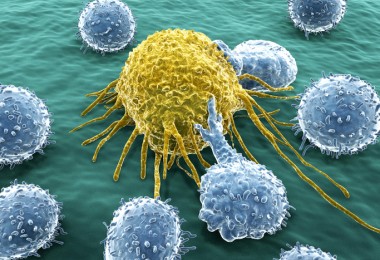
Immune cell therapy, particularly CAR-T cell therapy, utilizes the body's immune system to combat diseases, primarily cancer. CAR-T cells are genetically modified T cells designed to target and destroy cancer cells. In the manufacturing process of CAR-T, high-throughput fluorescence Cell Counters like EVE™ HT FL play a crucial role. They assess cell viability, enumerate CAR-T cells, ensure quality control of starting material, optimize culture conditions, determine optimal harvesting time, detect contaminants, and facilitate data documentation for regulatory compliance, enhancing efficiency and quality in CAR-T manufacturing. In summary, EVE™ HT FL enhances efficiency and quality in CAR-T manufacturing, contributing to the success of this personalized immunotherapy. Cell Therapies: Tissue cell therapy, Immune cell therapy, and Stem cell therapy Cell therapies encompass tissue cell therapy, immune cell therapy, and stem cell therapy. In biomedicine, they stand as distinct fields, with cell therapy further divided into tissue-cell therapy, immune cell therapy, and stem-cell therapy. Gene therapy, on the other hand, is categorized into immune cell gene therapy and stem cell gene therapy. This discussion focuses on immune cell therapy, specifically CAR-T, and how high-throughput fluorescence Cell Counters such as EVE™ HT FL are applied in CAR-T manufacturing. Biomedicine Classification What is immune cell therapy?Immune cell therapy, also known as immunotherapy, is a medical approach that utilizes the body's immune system to combat diseases, particularly cancers and immune-related disorders. This personalized treatment involves extracting a patient's immune cells, genetically modifying them in the laboratory to enhance their targeting abilities, and reintroducing them into the patient's bloodstream. Its applications extend to new drug development, toxicology testing, and biomarker research. Notable examples include CAR-T cell therapy, where engineered T cells specifically target and destroy cancer cells. Immune cell therapy offers precision medicine tailored to an individual's immune profile and has shown remarkable success in certain cancers, opening new possibilities for treating previously challenging conditions. Ongoing research aims to expand its applicability and optimize safety and efficacy. What is CAR-T cell? CAR-T cells are T cells that undergo genetic modification to create an artificial T-cell receptor. This innovative immunotherapy aims to enhance the ability of T cells to identify and eliminate cancer cells. The process involves extracting T cells from individuals, altering them genetically, and then reintroducing the engineered CAR-T cells into patients to target and destroy tumors more effectively. These CAR-T cells can either come from the patient's own blood (autologous) or from a healthy donor's T cells (allogenic). To ensure safety, CAR-T cells are designed to specifically recognize antigens present on tumors but not on healthy cells. EVE™ HT FL: Efficient, Accurate, and High-Throughput Solutions for CAR-T productsWhen working with cells like PBMCs or T-cells, accurate assessment of cell concentration and viability is essential for maintaining quality throughout subsequent procedures. Cell counting in these kinds of samples becomes a challenging task due to common contaminants like red blood cells and non-cellular debris, introducing complexities such as time consumption, subjectivity, and a higher likelihood of errors.EVE™ HT FL When working with cells like PBMCs or T-cells, accurate assessment of cell concentration and viability is essential for maintaining quality throughout subsequent procedures. Cell counting in these kinds of samples becomes a challenging task due to common contaminants like red blood cells and non-cellular debris, introducing complexities such as time consumption, subjectivity, and a higher likelihood of errors.The EVE™ HT FL is a high-throughput automated fluorescence cell counter equipped with bright field and two fluorescence channels (AO/DAPI).AO (Acridine Orange) and DAPI (4′, 6-diamidino-2-phenylindole) are fluorescent dyes that bind to DNA, staining the nucleus of targeted cells. AO is a permeable dye that stains the nucleus of all cells, regardless of the cell’s condition. DAPI is an impermeable dye that only stains the nucleus of non-viable cells with damaged membranes. Basic principle of counting - Single reagent of EVE™ HT FL To accurately evaluate the viability of cell types like PBMCs or stem cells, it is advisable to use dual-fluorescence staining. This method effectively excludes non-nucleated cells (e.g., RBCs), platelets, and debris from the samples. In just 3 minutes, up to 48 samples can be counted and analyzed. How can EVE™ HT FL be applied in the manufacturing process of CAR-T?When working with cells like PBMCs or T-cells, accurate assessment of cell concentration and viability is essential for maintaining quality throughout subsequent procedures. Cell counting in these kinds of samples becomes a challenging task due to common contaminants like red blood cells and non-cell.1. Cell Viability Assessment:EVE™ HT FL, a high throughput fluorescence Cell Counter enable quick and accurate determination of the percentage of viable CAR-T cells, in other words, real-time monitoring of cell viability. Moreover, it allows for real-time monitoring of cell growth and proliferation. In CAR-T manufacturing, where a large number of T cells are often needed, this capability is crucial for for ensuring the overall quality of the final CAR-T product. By tracking these parameters, researchers can optimize culture conditions to ensure the production of a sufficient number of viable CAR-T cells.2. Enumeration of CAR-T Cells:EVE™ HT FL streamlines the enumeration process of CAR-T cells. By automating cell counting, it excel in enumerating total cell counts, including both viable and non-viable cells, further facilitating the determination of cell concentration. This allows for accurate seeding of cells during various stages of manufacturing process. This is crucial for maintaining the desired cell density and optimizing downstream processes.3. Quality Control of Starting Material:The success of CAR-T therapy is highly dependent on the quality of the starting T cell population. EVE™ HT FL facilitate a comprehensive evaluation of cellular morphology, size, and overall quality. Ensuring that the starting T cells meet predetermined criteria is essential for consistent and effective CAR-T production.4. Optimization of Culture Conditions:Continuous monitoring of cell cultures provides insights into the effects of different culture conditions on CAR-T cell growth and health. Researchers can use this information to optimize media composition, incubation parameters, and other variables, leading to enhanced CAR-T cell production efficiency.5. Determination of Optimal Harvesting Time:EVE™ HT FL aid in determining the optimal harvesting time for CAR-T cells. By monitoring cell viability during the culture period, researchers can identify the point at which the cells exhibit maximum viability and are most suitable for harvesting, optimizing the overall manufacturing timeline.6. Detection of Contaminants or Abnormalities:AO/DAPI staining can highlight contaminants or abnormalities within the cell population. Deviations in cell morphology or the presence of unwanted cell types can be quickly identified, allowing for corrective actions to be taken to maintain the purity of the CAR-T cell product.ConclusionIn conclusion, EVE™ HT FL can be applied in CAR-T manufacturing, offering capabilities for assessing cell viability, enumerating cell counts, monitoring cell growth, and ensuring the overall quality of the CAR-T cell product. Its high-throughput nature contributes to the efficiency and success of the manufacturing process, ultimately impacting the therapeutic efficacy of CAR-T cell therapies.
-
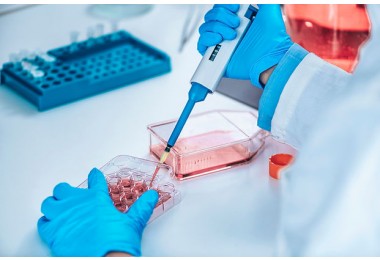
Revolutionizing Cell Counting: NanoEntek's Evolution from Hemocytometer to Cutting-edge Innovations
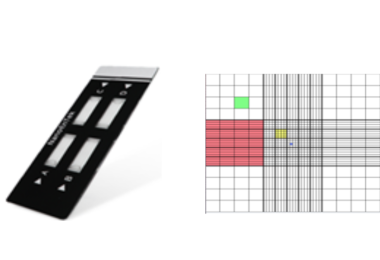
Pioneering a New Era in Cell Counting Technology Introduction: Cell counting has been a cornerstone in scientific and medical research, providing critical insights into biological processes and cell viability. The journey began with Louis-Charles Malassez's invention of the hemocytometer, a groundbreaking device that laid the foundation for cell counting. However, as technology advanced, NanoEntek emerged as a key player, revolutionizing the process and simplifying cell counting through a series of innovative products. The Origin of Cell Counting and Development: Hemocytometer Louis-Charles Malassez's hemocytometer marked the inception of cell counting, offering a precise method for counting blood cells. The Neubauer counting chamber became a standard tool in laboratories. This traditional method, while effective, presented inconveniences that inspired NanoEntek to pioneer advancements.Hemocytometer Counting Grid NanoEntek’s Continuous innovation towards Cell counting1) NanoEntek’s innovation in Simplifying Cell Counting: C-chip In response to the inconvenience associated with traditional glass slide hemocytometer, NanoEntek invented ‘C-chip’ - a disposable plastic hemocytometer. The C-chip eliminated the need for washing and cover slips, streamlining the cell counting process while maintaining accuracy. This innovation was a pivotal step in simplifying and modernizing cell counting techniques. 2) NanoEntek’s Innovation Continues: EVE™, EVE™ Plus NanoEntek introduced faster and more accurate automated cell counters, namely 'EVE™' and 'EVE™ Plus.' These devices not only expedited the counting process but also incorporated automated image analysis, enhancing the assessment of cell viability. The presentation of data in graphical formats further improved user convenience, allowing for more comprehensive and insightful analysis. NanoEntek’s Product Line-up for Cell Counting1) Automated Cell counter NanoEntek's product lineup for cell counting includes the C-chip (2ch/4ch), a disposable hemocytometer known for its high accuracy and time-saving features. EVE™ Plus stands out as one of the fastest cell counters, capable of counting cells within 1 second. For precise cell counting, ADAM™ MC2 utilizes PI staining technology. Notably, ADAM™ CellT meets the regulatory standards of 21CFR Part 11, making it suitable for use in cGMP production environments. NanoEntek's automated cell counters 2) High-throughput automated cell counter(1) EVE™ HTEVE™ HT is an automated cell counter that uses trypan blue for high-throughput measurements.In less than 3 minutes, it can accurately measure up to 48 samples, making it an efficient solution for busy laboratories or industries. The efficiency is maximized through the use of a disposable 48 channel plate. For those in regulated environments, EVE™ HT offers an optional 21CFR Part11 compliance, ensuring data integrity and security.EVE™ HT(2) EVE™ HT FLEVE™ HT FL is a high-throughput dual fluorescence cell counter.Equipped with a bright field and two fluorescence channels, namely AO and DAPI, EVE™ HT FL exceeds in speed and accuracy. In fact, its accuracy is evidenced with the R squared value of 0.99 it shows when compared to a flow cytometer. EVE™ HT FL can accurately measure up to 48 samples in less than 3 minutes, making it an efficient solution for busy laboratories or industries. The efficiency is maximized through the use of a disposable 48-channel plate.Remarkably, EVE™ HT FL only requires 20µL of sample per each measurement, which allows users to substantially reduce sample consumption by up to 25 times less than the competing instruments. This not only promotes efficient usage of the samples, but also let users to preserve their precious samples for additional evaluations or experiments.EVE™ HT FL offers an outstanding high-throughput cell counting method suitable for research and development in bio-processing and cell therapies. Its combination of speed, accuracy, and sample efficiency makes it a valuable tool in various scientific applications.EVE™ HT FLNanoEntek’s InnovationFor the past 20 years, NanoEntek has consistently led in innovation, introducing creative and groundbreaking products. Our dedication to sharing inventive ideas for the continuous development of our world is unwavering. Through a relentless pursuit of creativity, we aim to make meaningful strides in enhancing our global community.
-
세포 계수의 기원과 발전
세포 계수의 기원혈구 계수기는 계수기로서 혈액 세포를 세기 위해 만들어졌습니다.[1]혈구 계수기는 Lousi-Charles Malassez에 의해 발명되었습니다. 계수기는 챔버를 만드는 직사각형모양의 파인 두꺼운 유리 슬라이드로 구성 되어있습니다. 이 챔버는 수직선의 laser-etched 패턴으로 새겨져 있습니다. 이 장비는 선에 의해 나눠진 영역과 챔버의 깊이를 알수 있도록 세심하게 제작되었습니다. 따라서, 유체의 특정 볼륨에 존재하는 세포들이나 입자의 수를 세어서 세포의 농도를 계산합니다. 자주 쓰이는 혈구 계수기의 종류는 Neubauer 계수기입니다.[2] 나노엔텍이 세포 계수를 간단하고 쉽게 만들기 위해 어떻게 발전해 왔는지세포 계수의 중요도가 높아질수록, 나노엔텍은 세포 계수의 시간과 노력을 줄이기 위해 도움을 주었습니다. 나노엔텍이 발명한 자동 셀카운터는 10,000개 이상의 기기를 판매하였습니다. 이렇게 자동 셀카운팅의 국제 시장이 열리게 되었습니다. 혈구 계수기의 불편함을 줄이기 위하여, 나노엔텍이 C-chip 을 개발 하였습니다. C-chip 은 일회용이기 때문에 다시 세척할 필요가 없습니다. C-chip 은 커버슬립을 필요로 하지 않고, 시간을 줄여주며 높은 정확도를 가지고 있습니다.C-chip을 판매한 후에, 나노엔텍은 더 빠르고 정확한 자동 셀 카운터인 'EVE' 와 'EVE PLUS' 개발하기도 했습니다. 셀 카운터가 만들어지면서, 기계를 이용해 자동적으로 세포를 세고 생존율을 확인하는 것이 가능하게 되었습니다. 데이터들은 그래프로도 보이며 유저들에게 편리함을 제공하였습니다. 나노엔텍 셀카운팅 제품 나노엔텍은 셀 카운팅의 목적으로 많은 제품들을 선보였습니다. C-chip (2ch / 4ch) 은 시간은 줄여주며 높은 정확성을 보이는 일회용 혈구 계수기입니다. EVE Plus 는 1초 세포 카운팅이 가능한 세계에서 가장 빠른 카운터 중 하나입니다. ADAM-MC2 는 PI 염색을 사용하는 정확한 셀 카운터입니다.ADAM-CellT 는 cGMP 환경에서 사용 가능한 21 CFR part 11을 접목한 셀 카운터입니다.나노엔텍의 혁명나노엔텍은 창의적이고 혁신적인 제품을 20년 넘게 제조 해오고 있습니다. 나노엔텍은 지속적으로 혁신하고 창의적인 생각을 다른 이들과 나누며 세계를 더욱 더 발전 시키는 데에 기여하겠습니다. 논문 [1] Absher, M. (1973). Hemocytometer counting. In Tissue culture (pp. 395-397). Academic Press. Link: https://doi.org/10.1016/B978-0-12-427150-0.50098-X[2] Quinlan, L. R. (2006). Phosphoinositides, inositol phosphates, and phospholipase C in embryonic stem cells. In Embryonic Stem Cell Protocols (pp. 127-149). Humana Press., Link: https://doi.org/10.1385/1-59745-037-5:127
-
줄기 세포 치료
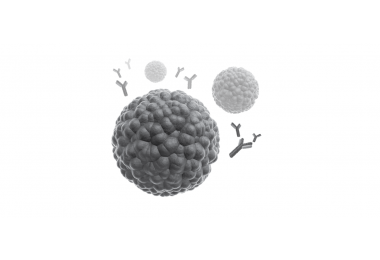
유용한 줄기 세포 치료를 위한 CD34 카운터, ADAMII-CD34각종 질병에서 치료 효과를 보이면서 주목을 받는 줄기세포(Stell cell) 치료제는 2023년 시장 규모를 약 4조 원으로 전망됩니다. 치료 세포제에 대한 수요 증가와 이에 대응하는 연구 개발이 활발하게 진행되면서 정확한 세포수와 생존율이 주요 변수가 되었고 재현성도 중요한 요소가 되었습니다. ADAMII-CD34는 줄기세포로 이식 및 치료 시 줄기세포 계수에 있어서 경쟁 장비 대비 합리적인 기기 가격과 검사 비용을 제공합니다. 전문가를 필요로 하지 않으며 키트 또한 일회용으로 매우 간편합니다."줄기세포 (Stem cell)이란 무엇일까?" 세포 치료제는 손상되거나 질병이 있는 세포, 조직, 장기를 회복시키기 위해 살아있는 세포를 사용해 재생을 유도하는 의약품입니다. 세포 치료제는 조직세포 치료제, 면역세포 치료제, 줄기세포 치료제로 구분됩니다. 바이오 의약품에는 세포 치료제와 유전자 치료제 등으로 구분할 수 있으며, 세포 치료제는 조직세포 치료제, 면역세포 치료제, 줄기세포 치료제로 세분화가 가능합니다. [1] 배아줄기세포(embryonic stem cells)를 통한 치료 시세포의 대부분이 모여있는 황반은 시력의 중요한 역할을 담당합니다. 황반변성은 황반의 기능이 저하되고 실명을 부르는 질병으로 치료제가 없던 황반변성과 스타가르트병 환자들에게 희소식이 전달되었습니다. 바이오 의약품에는 세포 치료제와 유전자 치료제 등으로 구분할 수 있으며, 세포 치료제는 조직세포 치료제, 면역세포 치료제, 줄기세포 치료제로 세분화가 가능합니다. ADAMII-CD34의 특징ADAMII-CD34 가 어떻게 쓰이는지ADAMII-CD34는 4개의 광원(Bright, Yellow, Red, Green)을 통한 형광 세포계수기로 최대 15분(다양한 모드에 따라 변동 가능:6-15분) 내로 중기 세포 채취, 보관 및 이식을 결정하기 위한 주요 변수인 Total CD45, Viable CD45, CD45 Viability, Total CD34, Viable CD34, CD34 Viability, Viable CD34 of Viable CD45를 빠르고 편리하게 확인할 수 있습니다. 이 장치는 세포 치료 센터, 대학 실험실, 병원 등 다양한 곳에서 사용될 수 있습니다. 줄기세포를 세는 편리한 방법 ADAMII-CD34는 정확한 값을 빠른 시간에 제공하여,작업자의 실험 시간이 최소화되고 높은 정밀도로 샘플 준비 단계가 단순하며 소프트웨어를 사용하여 결과가 제공되기 때문에 사용자의 주관적인 의견이 반영되지 않습니다. 줄기세포 치료는 성체줄기, 제대혈 등을 통해서 진행되고 있으며 전 세계의 의학자들이 줄기세포 치료에 관한 임상시험과 연구가 진행되고 있어 줄기세포로 치료할 수 있는 질환의 범위는 넓어지고 있습니다.이에따라, 나노엔텍은 다양한 줄기세포 연구 개발과 제품화를 지원하는 다양한 줄기세포 자동계수기를 제공하고 있으며, 줄기세포 치료제 연구 개발 및 품질관리를 위한 다양한 툴을 제공할 수 있도록 지속적인 연구 개발에 집중 투자하고 있습니다.ADAMI-CellT를 사용한 논문 자료 [1] Single-Cell Analyses Identify Brain Mural Cells Expressing CD19 as Potential Off-Tumor Targets for CAR-T Immunotherapies, Cell, 183 (1), pp. 126-142.e17, October, 01, 2020. Link: https://doi.org/10.1016/j.cell.2020.08.022[2] Expression of the transcription factor PU.1 induces the generation of microglia-like cells in human cortical organoids, Nature Communications, 13, 430, 2022 Link: https://doi.org/10.1038/s41467-022-28043-y[3] Heterozygous frameshift variants in HNRNPA2B1 cause early-onset oculopharyngeal muscular dystrophy, Nature Communications, 13, 2306, 2022 Link: https://doi.org/10.1038/s41467-022-30015-1 ADAM II-CD34을 사용한 논문 자료[1] Enumeration of CD34 positive Stem Cells Using the ADAMII Image-based Fluorescence Cell Counter, Annals of Laboratory Medicine, 39(4), 388-395. 2019. Link: https://doi.org/10.3343/alm.2019.39.4.388[2] Clinical Applicability of Newly Developed Image-based Cell Counter for Counting CD34 + Cells: Comparison with Flow Cytometric Analysis, Clinical Pediatric Hematology-Oncology, 23, pp. 125-132,2016 Link: http://doi.org/10.15264/cpho.2016.23.2.125참고 문헌[1] Future of Cell Therapy in the Regenerative Medicine Market (2016), Frost&Sullivan[2] Kashani Amr H., et al. "A bioengneered retinal pigment epthelial monolayer for advanced, dry age-related macular degeneration."Science translational medicine 10,435 (2018): eaao4097
-
면역 세포 치료
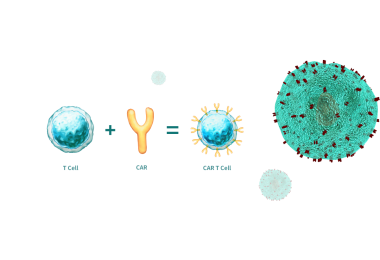
면역 치료를 위한 하나의 장비 시스템 ADAM-MC2, ADAM-CellT, ADAM-CDx 2017년 FDA는 혈액암(Blood cancer)에 탁월한 효능을 보인 CAR-T(키메라 항원 수용체 발현 T세포) 항암제를 허가했습니다. CAR-T에 대한 수요 증가와 이에 대응하는 연구 개발이 활발하게 진행되면서 정확한 면역 세포 수와 생존율이 주요 변수가 되었고. 높은 정확도와 재현성도 중요하게 되었습니다.나노엔텍의 ADAM-MC2와 ADAM-CellT은 CAR-T 치료제의 연구개발, 생산, 품질관리 등에 활용될 수 있습니다. 또한, ADAMII-CDx**는 다양한 세포 작업과 분석을 하나의 장비로 수행할 수 있어 경쟁 장비 대비 합리적인 기기 가격과 검사 비용을 제공합니다. 전문가가 아니여도 간단한 교육만으로 사용 가능 하다는 장점이 있으며. 일회용 키트 사용으로 유지 보수에 부담이 없습니다.**ADAMII-CDx는 나노엔텍에서 현재 개발중에 있는 제품입니다. "면역 세포란 무엇인가?" 세포 치료제는 살아있는 세포를 이용해 손상된 세포를 회복하기 위한 재생을 유도하는 약물입니다. 신약개발, 독성검사, 바이오마커 등에 사용할 수 있습니다. 세포 치료제는 세 부분 조직 세포, 면역 세포, 줄기 세포 요법으로 나눌 수 있습니다. 최근 이슈되었던 면역 세포 치료법에 대해서 살펴보도록 하겠습니다. 바이오약품은 세포 치료와 유전자 치료로 나눌 수 있으며, 세포 치료법은 조직 세포 치료, 면역 세포 치료, 줄기 세포 치료로 세분화 할 수 있습니다. 또한, 유전자 치료는 면역 세포 유전자 치료와 줄기 세포 유전자 치료로 구분될 수 있습니다. [1]최근 혈액암에서 뛰어난 효율을 보여준 CAR-T세포를 이용한 면역 세포 치료에 대해서 자세히 알아보겠습니다. CAR-T 세포의 정의와 적용세포 치료제는 세포의 물질을 환자에게 주입시키는 것을 의미합니다. 이것은 살아있는 세포를 뜻합니다. 예를 들어, T세포는 면역치료를 통해서 투여된 면역으로 암세포와 싸워 치료가 가능합니다. CAR-T 세포는 인공의 T세포 수용기를 생산하는 역할을 해왔습니다. CAR-T세포 면역치료의 전제는 T세포를 변형시켜 암세포를 더욱 효과적으로 알아보고 망가트리기 위해서 입니다. 즉, 암 저항력의 중심인 면역세포를 채취하여 배양 및 활성화한 이후 다시 이식하여 암을 공격하는 치료법입니다. CAR-T세포는 환자의 자가 혈액에서 나오는 T세포로 부터 공급학나 다른 건강한 이의 혈액으로 부터 공급받습니다. 안전을 위해서, CAR-T세포는 건강한 세포가 아닌 종양에 있는 항원을 겨냥하도록 되어있습니다. CD marker의 종류와 기능 면역 세포 요법은 체내의 면역 반응 활성화를 통해 질병을 치료하는 방법입니다. 즉. 암 저항력의 중심인 면역 세포를 채취하며 배양 및 활성화한 이후 다시 이식하여 암을 공격하는 치료법입니다. 면역세포 치료제 중 하나인 CAR-T(Chimeric antigen receptor T-cell)는 주입한 이후에 지속해서 증가하는 살아있는 본인의 T세포를 이용하여 종양 세포를 상상할 수 있는 특징을 지녔기에 '살아있는 약물'이라고 불립니다. [2]일반적으로, 세포 표면 항원 무리 혹은 클러스터(CD,Cluster of differentiation)는 CD로 표기합니다 CD는 면역 표현형에 따라 세포 표면 분자를 식별하고 연구하기 위하여 붙여진 이름입니다. [3]면역 세포의 치료제 이식의 성공을 위해서는 성숙 T-세포 (CD3), Helper T-세포(CD4), Killer T-세포 혹은 Suppressor T-세포(CD8) 등의 주요 분화 클러스터 (CD)의 양성 세포 수가 중요한 요인입니다.왜 나노엔텍을 선택해야 하는가?ADAM-MC 제품 시리즈 세포 치료적 응용ADAM-MC 제품 시리즈가 세포치료제를 위해 세포를 배양하면서 세포의 개수와 생존율의 QC를 확인하는 장치로 씌이게 되었습니다. 게다가, ADAM-MC2 는 세포 종류 (Whole blood cell, PBMCs, etc)등에 따라 사용 가능합니다.Figure 3. ADAM-MC2 applications100개 이상의 전세계 세포 치료 협회 또는 회사에서 ADAM-MC 와 ADAM-MC2를 사용합니다. Figure 4. collaborative institutes and companies with our products ADAM 제품과 유세포 분석기(FACS)의 비교 세포 치료제에 대한 연구와 생산의 수요가 세계적으로 증가하는 중에, 정확한 세포의 개수와 생존율 또한 중요한 요소가 되었습니다. 세포 개수를 세는 전통적인 방법인 유세포 분석기 (Flow cytometry)는 FACS (fluoresence-activated cell sorter)로 표현됩니다.[4] Figure 5. comparison our product with FACS 하지만, 유세포 분석기는 가격이 비싸며 기기의 크기와 부수적인 요소 때문에 불편함을 느낄수 있습니다. 기기 사용 전과 후에 부가적으로 정비 일을 더하면, 많은 시간과 노력을 소모할 수도 있습니다. 강한 전기장이 세포 분리에 적용이 되면, 세포 손상의 위험도 생길 수 있으며 전문가의 도움 또한 필요로 합니다. NanoEntek CAR-T's 플랫폼CAR-T 제조 과정 나노엔텍은 백혈구 성분 분리 채집(Leukapheresis)부터 Product QC까지의 제조 공정(Manufacturing process)에 적용 가능하도록 ADAM-MC2, ADAM-CellT 등 다양한 장치를 제공하고 있습니다. 새로운 혁신적인 제품, ADAMⅡ-CDx (곧 출시예정) Figure 7. application of ADAMⅡ-CDx 나노엔텍의 ADAMII-CDx은 현재 개발 진행중입니다. 이 장비는 백혈구 성분 분리 채집부터 Product QC까지의 세포 치료제 제조공정과 R&D에서 하나의 장비로 활용할 수 있는 기기입니다.ADAMII-CDx는 T세포, B세포 그리고 NK세포등에 세포의 종류를 알아내고 세포의 개수, 크기 그리고 세포 주기를 파악하는데 특화되어 있습니다.ADAM-MC2를 사용한 논문 자료 [1] Hybrid SMART spheroids to enhance stem cell therapy for CNS injuries. Science advances, 7(40), eabj2281. Link: https://doi.org/10.1126/sciadv.abj2281[2] Plasma complement C7 as a target in non-small cell lung cancer patients to implement 3P medicine strategies. EPMA Journal, 629-645. https://doi.org/10.1007/s13167-021-00266-x[3] Adoptive immunotherapy with transient anti-CD4 treatment enhances anti-tumor response by increasing IL-18Rαhi CD8+ T cell, Nature Communications, 12(1), 1-15, 2021 Link: https://doi.org/10.1038/s41467-021-25559-7[4] IL7-Fc Enhances the Efficacy of Adoptive T Cell Therapy under Lymphopenic Conditions in a Murine Melanoma Model. Cells 2021, 10, 2018. Link: https://doi.org/10.3390/cells10082018[5] TDP-43 and PINK1 mediate CHCHD10 S59L mutation–induced defects in Drosophila and in vitro. Nature Communications, March, 2021. Link: https://doi.org/10.1038/s41467-021-22145-9[6] Polymorphic Region-Specific Antibody for Evaluation of Affinity-Associated Profile of Chimeric Antigen Receptor, Molecular Therapy Oncolytics, 17, pp. 293-305, 2020. Link: https://www.sciencedirect.com/science/article/pii/S2372770520300541[7] Chronic activation of 4-1BB signaling induces granuloma development in tumor-draining lymph nodes that is detrimental to subsequent CD8+ T cell responses, Cellular & Molecular Immunology, August 2020. Link: https://doi.org/10.1038/s41423-020-00533-3ADAM-CellT를 사용한 논문 자료[1] Single-Cell Analyses Identify Brain Mural Cells Expressing CD19 as Potential Off-Tumor Targets for CAR-T Immunotherapies, Cell, 183 (1), pp. 126-142.e17, October, 01, 2020. Link: https://doi.org/10.1016/j.cell.2020.08.022 [2] Expression of the transcription factor PU.1 induces the generation of microglia-like cells in human cortical organoids, Nature Communications, 13, 430, 2022 Link: https://doi.org/10.1038/s41467-022-28043-y[3] Heterozygous frameshift variants in HNRNPA2B1 cause early-onset oculopharyngeal muscular dystrophy, Nature Communications, 13, 2306, 2022 Link: https://doi.org/10.1038/s41467-022-30015-1참고 문헌[1] Future of Cell Therapy in the Regenerative Medicine Market(2016), Frost&Sullivan, 나노엔텍 재가공[2] Viardot, Andreas, et al. "Chimeric antigen receptor(CAR) T-cell therapy as a treatment option for patients with B-cell lymphomas: perspectives on the therapeutic potential of Axicabtagene ciloleucel." Cancer management and research 11(2019): 2393[3] CHAN, J. K. C., NG, C. S., HUI, P. K.(1988). “A simple guide to the terminology and application of leucocyte monoclonal antibodies”. 《Histopathology》 12(5): 461–480.[4] Huh, D.; WeiGu; Kamotani, Y.; Grotberg, J. B.; Takayama, S.Physiologicla Measurement 2005, 26, R73-R98.[5] 채희정, and 윤덕현. "광범위큰 B 세포림프종에 대한 키메릭항원수용체 T-세포(Chimeric Antigen Receptor T-cells) 치료." Korean Journal of Medicine(구 대한내과학회지) 94.2(2019): 152-158.